
My Kid Quit Music Lessons. Should We Try Again?
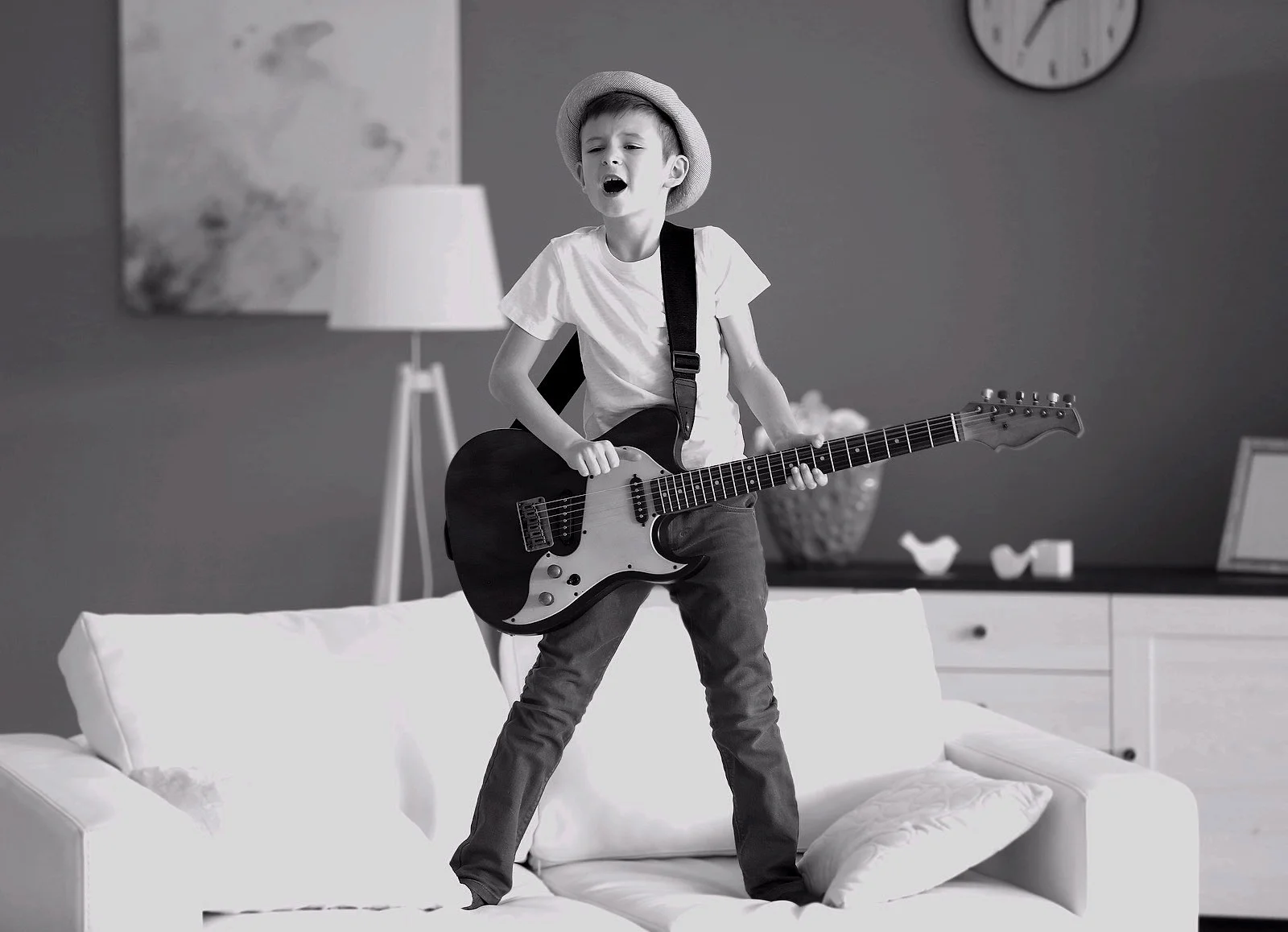
Short answer: usually, yes. When a child quits music lessons, it almost never means they aren’t musical. It usually means the lessons weren’t built around how that child learns. If you try again, don’t just find a new teacher. Change the approach.
I started Fingerprint Music School in 2006, and I’ve spent a lot of that time in living rooms with kids who had “already tried piano.” Here is what I’ve learned about why kids quit, how to tell when they’re ready to come back, and what to do differently the second time.
Why kids quit music lessons
Most lessons start the same way: open the book, learn to read notes, practice your scales, and hope the student doesn’t quit. That works for some kids. For a lot of others it doesn’t, and the reasons are pretty predictable:
- The music wasn’t theirs. Months of method-book songs they’d never choose to listen to.
- Reading came before playing. Some kids love decoding notes. Others want to make sound first and learn the notation later.
- Practice turned into a fight. Once the instrument means nagging, the music is gone.
- No room to create. The creative kid, the restless kid, the kid who wants to make things up gets told to stick to the page.
- The logistics wore everyone down. A drive across town, a waiting room, a tired kid at 5:30 on a Tuesday.
None of those are about talent. They’re about fit.
Signs your child is ready to try again
You don’t need to wait for your child to ask for lessons. Watch for these instead:
- They still sit down at the piano, or pick up the guitar, when nobody’s watching.
- They hum, tap rhythms, or sing along to everything.
- They’ve fallen for a particular song, artist, or video game soundtrack.
- They mention a different instrument, like drums, ukulele, or voice.
- They talk about the old lessons with “I hated the book,” not “I hate music.”
If any of that sounds familiar, the interest is still there. What they quit was the method.
What to do differently the second time
Start with music they love. Ask your child what they’d want to play if they could play anything. A good teacher can build a first lesson around that song, even for a total beginner.
Let them play by ear, improvise, or write. For some kids, learning a favorite song by ear on day one is what makes it click. For others, it’s improvising over a few chords, or writing their own song. Reading music still matters, and for some kids reading is the thing that clicks, but it doesn’t have to come first.
Be open to a new instrument. A kid who stalled on piano might take off on guitar or drums. A teacher who plays several instruments can follow their curiosity without starting over with someone new.
Take the pressure off practice. Some of our students practice every day. Some play once a week when the mood strikes. A student who plays casually for years beats one who grinds through six months and never touches an instrument again.
Make lessons easy to show up for. Lessons at home remove the commute and the waiting room, and kids are often more relaxed on their own couch.
Questions to ask a new teacher
Before you sign up, ask:
- What would you do in the first lesson with my child?
- Can you teach by ear and improvisation, as well as reading?
- What happens if my child doesn’t want to practice?
- If my child wants to switch instruments, can you keep teaching them?
- What would you do differently from their last teacher?
A teacher who has real answers to these, and who asks you about your child first, is a good sign.
How we handle it at Fingerprint
This is the reason we exist. Our teachers start by paying attention: what your child loves, how their ears and hands want to learn, what makes them light up. Then they build the lessons around that. Every teacher is a working musician who plays several instruments, so if your child’s interest wanders, they just keep going. And the teacher comes to your home.
If your child quit before, that’s not a failure. It was a bad fit. Meet our teachers, read what families say, or see open lesson times near you.
Common questions
Is it bad to let my child quit music lessons?
No. Stopping lessons that weren’t working is often the right call. What matters is whether your child still enjoys music. Keep music around the house, and try again with a different approach when they show interest.
How long should we wait before trying again?
There’s no set time. Wait until the frustration has faded and you see signs of interest again, like playing for fun or asking about a song or instrument. For some kids that’s a few months; for others it’s a year or two.
Should we switch instruments?
Sometimes. If your child is drawn to a different instrument, follow that. If they still like the original instrument but hated the lessons, keep the instrument and change the approach.
Will my child have to start over?
Rarely from zero. Most kids keep more than you’d think, especially rhythm and a feel for the instrument. A good teacher will find where they are and build from there.